Quick answer
Do I still need a Chicago city sticker on a car I junked or don't drive?
A Chicago city sticker is the wheel tax, and the City Clerk ties it to Chicago residents who drive, park or own a vehicle in the city. Once a car is sold or junked and no longer yours, it is no longer your vehicle to tax, but the move needs paper proof.
The Chicago city sticker is a tax in a sticker’s clothing. The city calls it the wheel tax, and it follows the vehicle you drive, park or own in Chicago. When that vehicle dies, gets sold or heads to a scrapper, the question is how to show the city it is no longer yours. We buy junk cars, we are not the City Clerk, and we cannot cancel anything for you. This guide covers what the Clerk publishes, so you know what to ask and what to keep.
What the City Clerk says the sticker covers
The Clerk’s pages say all Chicago residents who drive, park, lease or own a vehicle they are responsible for in the city are subject to the Chicago Wheel Tax and must buy a Chicago City Sticker. A second Clerk page adds that residents using their vehicle in the city need a sticker no matter where it is registered.
Two points stand out for anyone with a dead car:
- The rule turns on being responsible for a vehicle in the city, not on whether the car runs well. A car that sits in a garage or a lot is still your responsibility until ownership changes.
- The Clerk describes the tax as starting on the date you begin residency in Chicago or acquire a new vehicle, with the sticker term starting the first of that month.
The Clerk’s pages do not list an exemption for a car just because it does not run. If you are keeping a dead car for a while, ask the Clerk directly before you assume it is exempt. The number to call and the current forms are on the Clerk’s sticker page.
What it costs to ignore it
According to the Clerk, not having the sticker can bring a minimum $200 ticket plus additional fees, and tickets can be issued every day until the vehicle meets the rule. That daily possibility is the real danger for an old car parked on a city street. One ticket is a nuisance. A week of them is a bill that can be larger than the car’s value.
If a car is on the street, a second rule applies. The city’s Streets and Sanitation page says a vehicle counts as abandoned when it has been left on the public way for two or more days without state registration or a temporary registration. It lists a hazardous, dilapidated vehicle left in full view of the public, even on private property, as another category. Our guide on abandoned cars in Chicago and its suburbs explains what happens next.
When a car stops being your sticker problem
You are not stuck with the tax on a vehicle you no longer own. The practical path has four parts:
- Sell or junk the car and sign the title over correctly. See signing an Illinois title.
- Keep proof that ownership changed: a copy of the signed title, a bill of sale with the date and the vehicle number, and any message from the buyer. Our bill of sale guide lists the items.
- Remove the plates. The plates after a sale guide explains why.
- Ask the City Clerk what the office needs to update or close the sticker on that vehicle and whether any refund applies.
On the last point, the Clerk’s pages do not describe a refund for a sold or junked car, so do not count on one. Ask the Clerk, and do it soon, because a sticker tied to a vehicle you no longer have can leave you holding a ticket for a car that is gone.
Stickers that follow the old owner
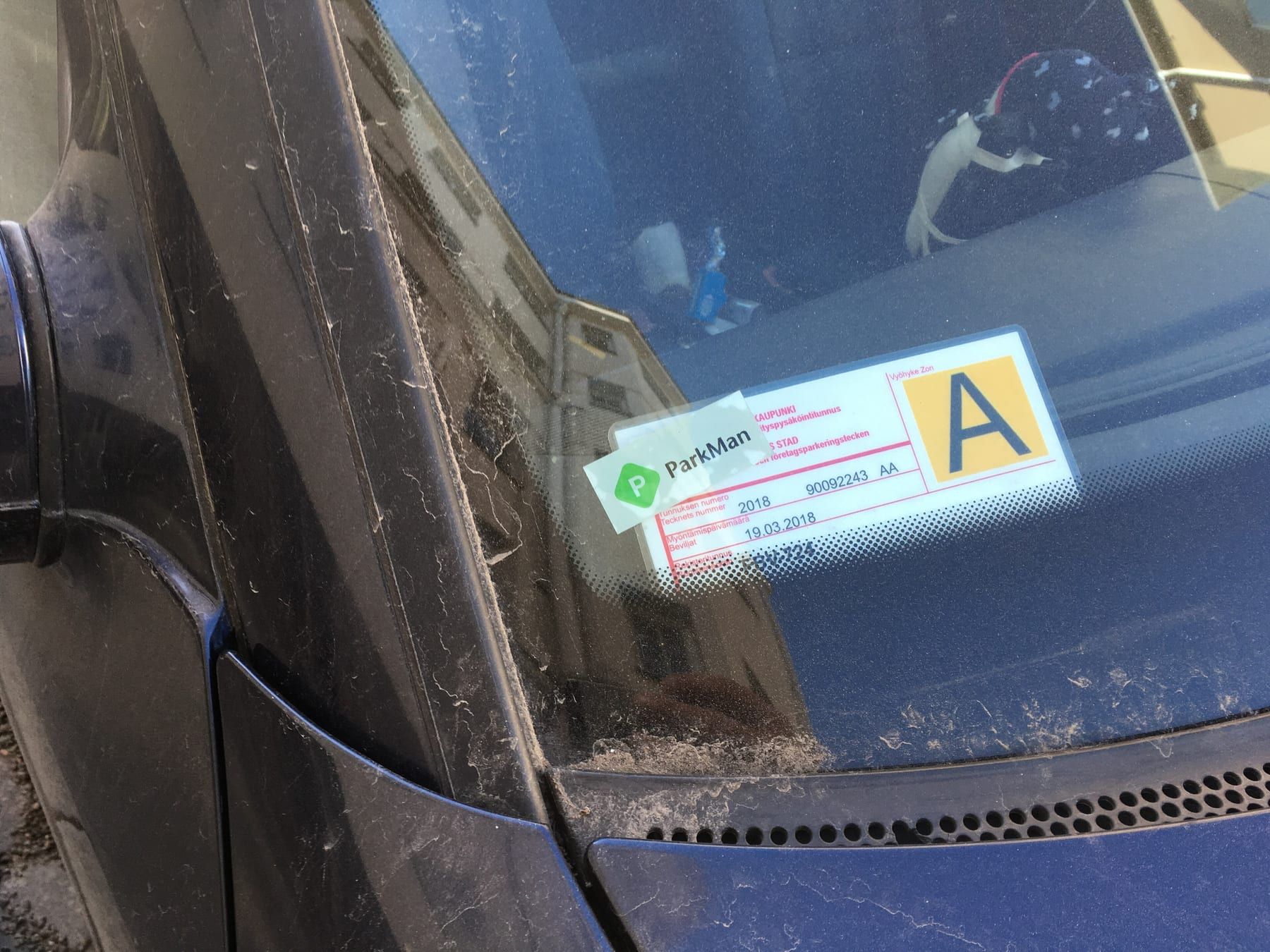
The Clerk warns that if the sticker on a car was bought by the previous owner, or if it shows old vehicle information, you can be fined. The same logic works against sellers. If you hand over a car with your sticker still on the glass and no record that the car left your hands, a ticket can arrive at your address. Scrape the sticker off if the buyer allows it, or photograph the windshield before pickup. Photos taken at the pickup, showing the plate removed and the date, are worth keeping alongside your paperwork.
Moving a sticker to your next car
The Clerk says stickers are transferred through its own office, and dealerships and other entities cannot transfer them. If you are replacing a junked car with another, check how the Clerk handles the swap before you buy, so you are not paying twice for the same year. Rules and fees change, so treat the Clerk’s pages as the source of truth, not a summary like this one.
Does this apply to Merrionette Park?
The Clerk’s rules cover Chicago residents. Merrionette Park is a separate village on Chicago’s southwest edge, and a village address is not a Chicago address; the village runs its own vehicle sticker, and this explainer sorts out which rules apply where. Neighbors across the line in Mount Greenwood and Beverly are Chicago residents. If you live in one of those neighborhoods, or park a car on a Chicago street at night, the sticker rules apply to you.
A faster way to end the problem
The cheapest outcome for a car you no longer want is a clean sale before tickets stack up. If the car does not run, our free towing removes it from the curb or the alley. Review how junking a car in Illinois works first, and ask your questions on the FAQ page. When you are ready, send us the car’s details, and we will call you back with an offer and a pickup plan.
Sellers also ask
Do Merrionette Park residents need a Chicago city sticker?
What is the ticket for not having a city sticker?
Can I move my sticker to another car?
Will a junk car buyer cancel my city sticker?
Sources we checked
Selling from inside the village? Our Merrionette Park junk car guide covers the village sticker, the junked-vehicle rule and snow parking, with the code sections.
Keep reading